Posted on 4/30/2026
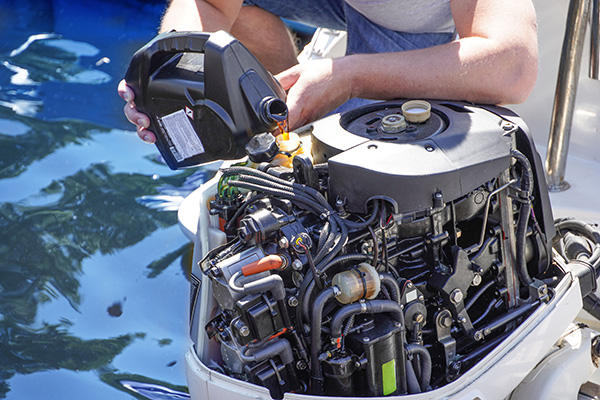
Boat issues do not always happen near a marina or a repair facility. Many owners deal with problems at the dock, on a trailer, or even mid-season when scheduling shop time becomes difficult. That is where mobile boat mechanic services have begun to gain attention. Instead of transporting the boat or waiting for an open service slot, the mechanic comes to you. For many situations, that approach makes more sense than traditional service. How Mobile Boat Mechanic Service Works A mobile marine technician travels to your location with the tools and equipment needed to perform repairs, maintenance, and inspections. This can include engine diagnostics, routine service, electrical work, and troubleshooting performance issues. The goal is to provide the same level of service you would expect in a shop, but without requiring you to move the boat or wait in ... read more
Posted on 3/27/2026
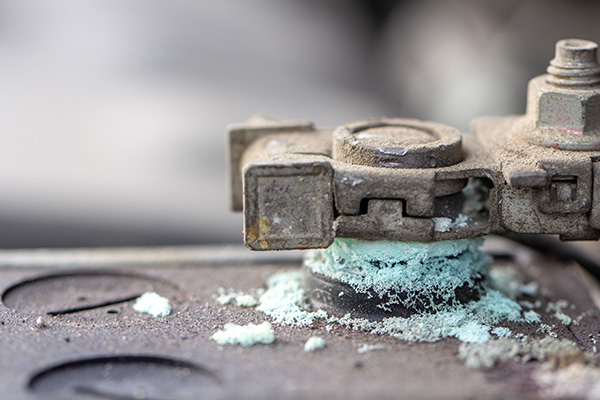
Boat battery problems usually don't fail all at once. More often, the engine cranks a little slower, electronics seem weaker than usual, or the battery needs more help getting through a normal outing. Because the boat still starts some of the time, it is easy to tell yourself it has a little more life left. That guess can get very expensive once you are away from the dock. Signs The Battery Is Starting To Fall Behind A weak battery gives a few warnings before it quits completely. The engine will crank slower than it used to, the trim or bilge pump may seem less responsive, or electronics may dim when several systems are on at once. These changes often show up gradually, which is why they get ignored. One weak start does not always mean the battery is finished. A repeated pattern does. If the same battery keeps sounding tired after charging, it is already telling you reliability is slipping. Why Marine Batteries Fail Differently Than Car Batteries ... read more
Posted on 2/27/2026
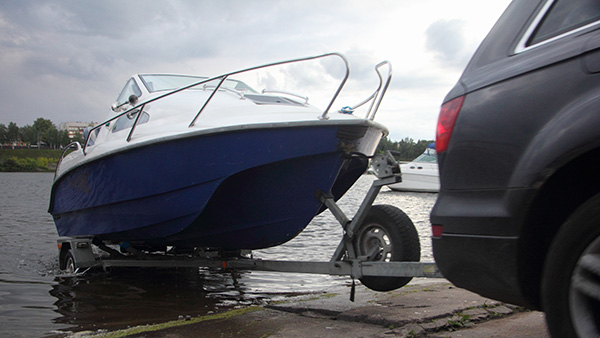
The first launch of the season is supposed to feel like a win. Instead, it’s often when boats remind you what sat all winter: batteries that won’t hold a charge, stiff controls, a cooling flow that’s weak, or a bilge pump that decides to quit on day one. Most of these problems are predictable, and a spring commissioning checklist is how you catch them while you’re still in the driveway or at the dock. A good checklist is not about overthinking it. It’s about making sure the systems that keep you running, cooling, charging, and staying dry are actually ready. This quick pass also helps you avoid chasing symptoms on the water, where small issues turn into big interruptions fast. Pre-Launch Walkaround And Hull Checks Start with a slow walkaround and look for anything that has changed in storage. Check the hull and rub rail for fresh scuffs or cracks, and make sure drains and plugs are clean and in place. If your boat has a livewell or wash ... read more
Posted on 1/30/2026
.jpeg)
A boat can run perfectly at the dock, then start creeping hot the minute you’re out cruising. That’s the kind of problem that makes your stomach drop, because you’re not just pulling over on the shoulder if things get worse. Overheating is usually a cooling-system problem, but marine cooling has a few quirks that catch people off guard. If you know the common failure points and the early warning signs, you can often prevent a hot run from turning into a tow and a bigger repair bill. Why Marine Engines Overheat More Suddenly Than Cars Most boats rely on raw water coming in from outside, moving through the system, and carrying heat away. That means your cooling system depends on water flow the same way a car depends on coolant level and radiator airflow. If water flow gets restricted, the temperature can climb fast. Boats also deal with sand, weeds, silt, salt, and growth that cars never see. Even on a clean lake, debris can get pulled into the inta ... read more
Posted on 12/19/2025
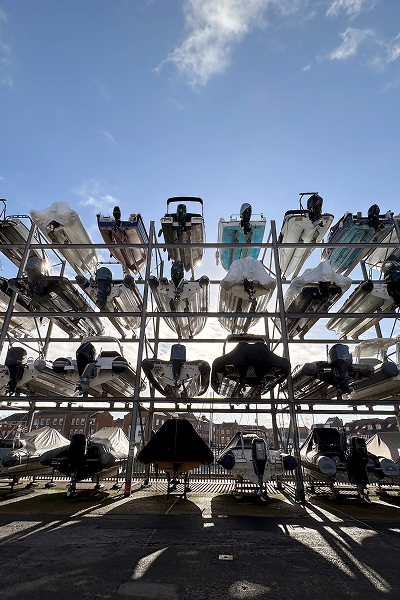
Cooler mornings, shorter days, and emptier marinas are all signs that boating season is winding down. Even in a place that feels as mild as Southern California, winter is when small issues have months to get worse while the boat sits. A simple checklist now can keep corrosion, dead batteries, and mystery leaks from greeting you on the first warm weekend of spring. Think of winter prep as protecting your time on the water, not just your hardware. Why Winter Prep Matters Even in Mild Climates It is easy to look at our weather and assume winterizing is only for boats that face ice and snow. The truth is, long periods of sitting unused are tough on any boat, especially around saltwater. Fuel can go stale, batteries slowly discharge, and small leaks turn into real damage when no one is aboard to spot them. Salt in fittings and hardware keeps working while the boat is tied up. Moist air sneaks into cabins and lockers and quietly feeds mold. When we help owners with winte ... read more